
泡沫之夏
由无线认证机构注册的富士X-T30相机_我的网站

一 | 1月11日:据新相机的消息,富士在无线认证机构注册了型号为FF180003的相机。相机的内部无线组件类似于富士X-T3。
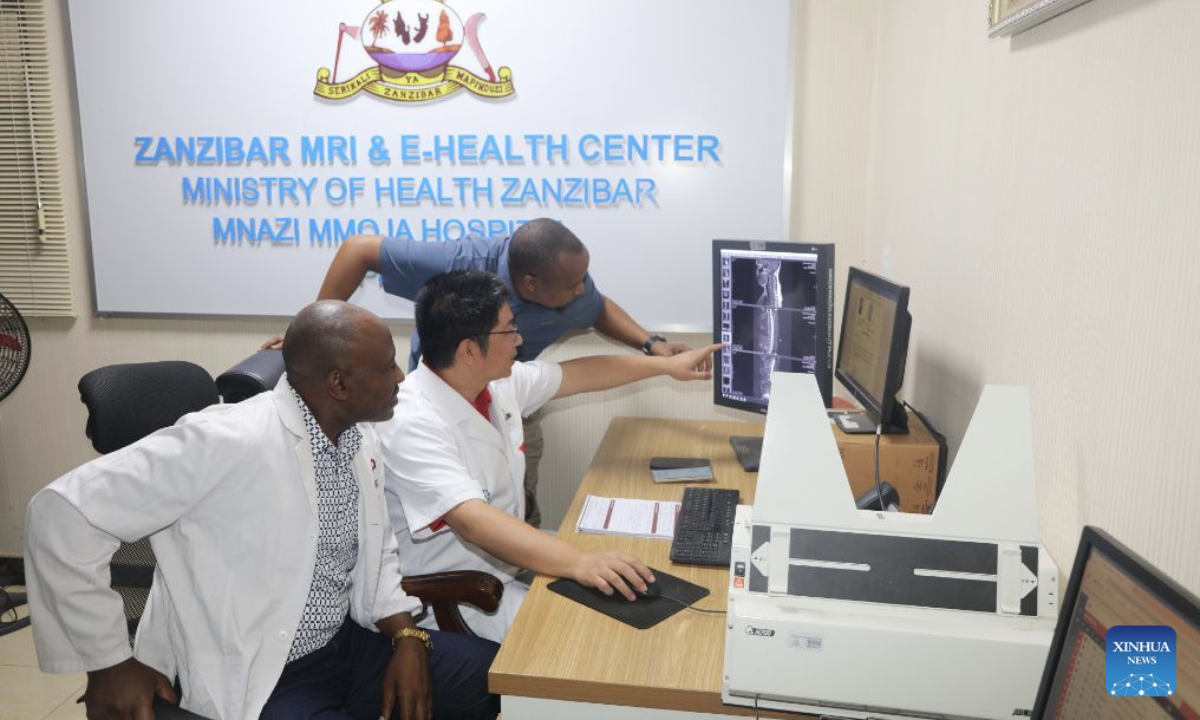
On the island, artificial intelligence (AI) systems are helping doctors interpret medical images, while remote consultations connect local physicians with specialists thousands of kilometers away.
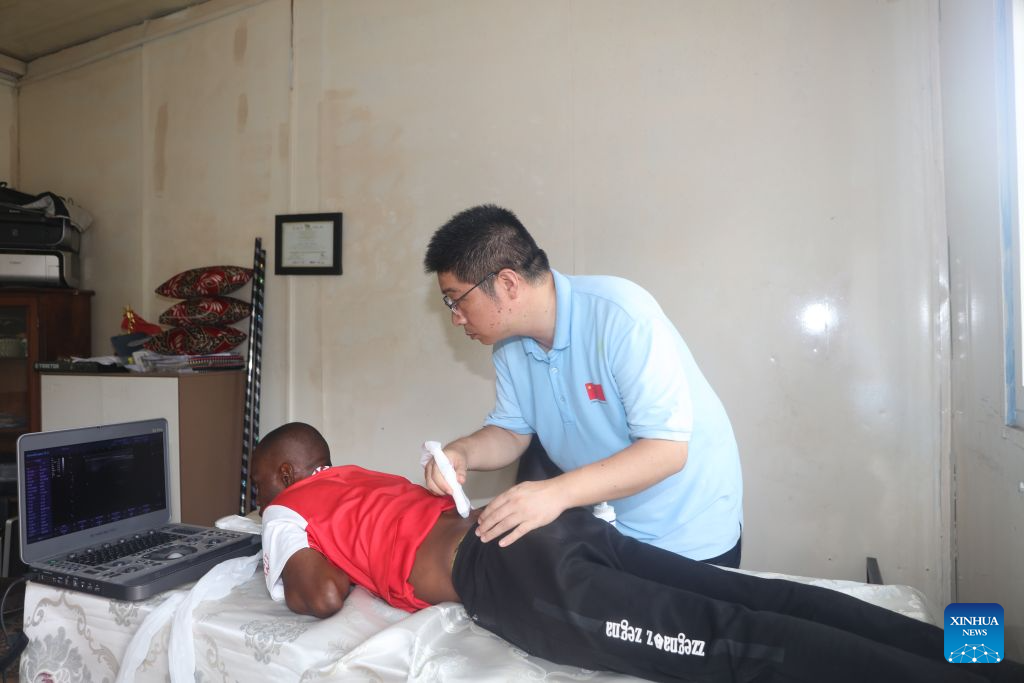
Bridging this distance is Yuan Gang, a radiologist with the 35th Chinese medical team in Zanzibar, who combines local imaging, cloud-based AI analysis, and real-time specialist consultations.
For years, Zanzibar's healthcare system has faced challenges in diagnosing complex diseases, particularly because of limited imaging expertise, heavy workloads, and the lack of advanced diagnostic tools, said local physician Haitham Hamudu.
Imaging interpretation, often described as the "eyes" of modern medicine, has been especially constrained by limited expertise, heavy workloads, and a lack of advanced tools, Haitham said.
By linking the hospital's imaging system with the First People's Hospital of Lianyungang in east China's Jiangsu Province, he has introduced a three-layer diagnostic approach, which includes initial reading by local doctors, AI-assisted detection and classification, and quality control through Chinese specialist review.
This hybrid model is enabling doctors in Zanzibar to access the precision and standards of top-tier Chinese hospitals without requiring patients to leave the island.
"Technology is allowing us to overcome distance and resource gaps," Yuan said. "It is not just about solving one case, but about building a system that improves care for many patients."
One of the most striking cases involved a young Zanzibari child suffering from recurrent vomiting and lethargy.
After reviewing the child's Magnetic Resonance Imaging scans, Yuan diagnosed hydrocephalus but found the underlying cause unclear. He immediately initiated a remote consultation with neuroradiology experts in the Chinese city of Lianyungang.
By jointly reviewing the imaging data and clinical records, the team identified the hidden cause, provided a precise diagnosis and treatment recommendations, giving local doctors a clear path forward and the child a renewed chance at recovery.
Beyond individual cases, Yuan has introduced AI-powered imaging tools to improve diagnostic accuracy in Zanzibar.
He said many women have dense breast tissue, making breast cancer harder to detect with conventional mammography. AI-assisted mammography now analyzes images, classifies lesions using the internationally recognized Breast Imaging Reporting and Data System, and helps doctors assess malignancy risk.
In one case, a 42-year-old woman with mild breast pain showed no obvious abnormalities on routine examination. AI, however, detected two hidden nodules and accurately classified their risk, helping doctors avoid unnecessary procedures while ensuring timely follow-up.
Similarly, AI-assisted lung imaging is improving the early detection of pulmonary nodules that are often missed in manual readings.
In one case, a 56-year-old man with a chronic cough was initially diagnosed with inflammation. Yuan's review, supported by AI analysis, identified four small nodules, including one with high-risk features, prompting closer monitoring and potentially preventing the progression of an early tumor.
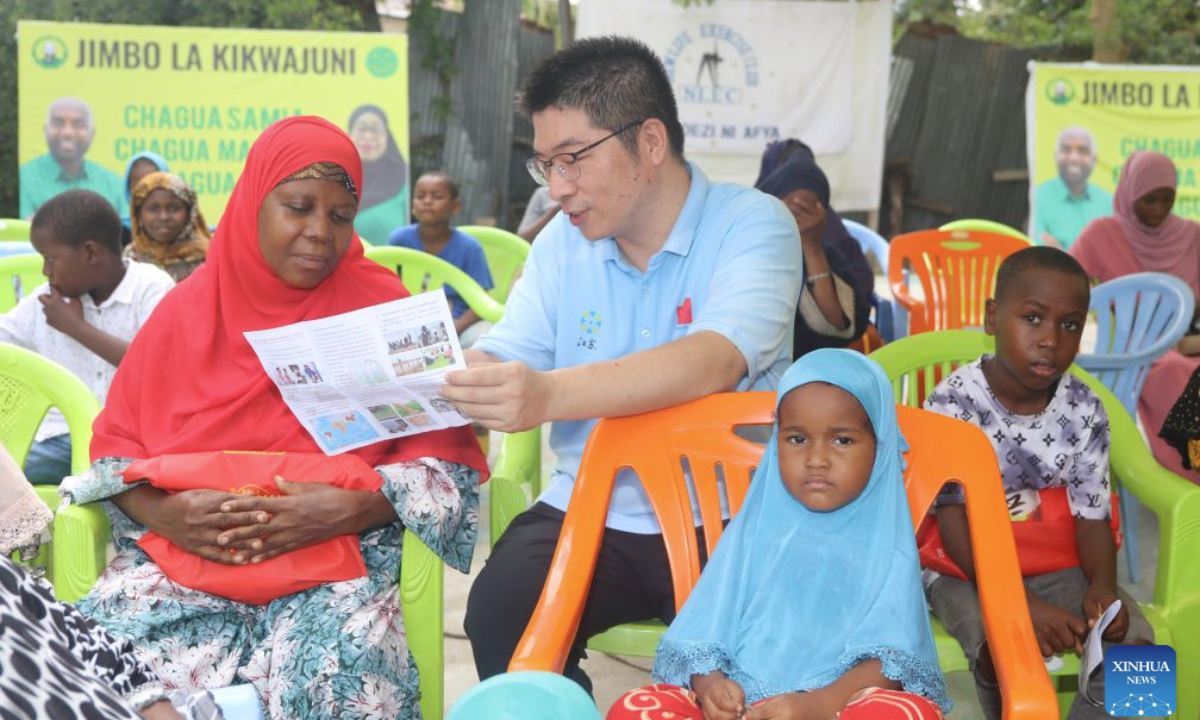
Beyond diagnosis, Yuan is helping local doctors adopt AI tools, standardized reporting systems, and structured diagnostic methods through hands-on training and case-based teaching, improving diagnostic accuracy while strengthening local capacity.
The AI imaging initiative is part of a broader digital healthcare partnership between China and Tanzania's Zanzibar, Yuan said.
The hospital and its partner institution in Lianyungang have established regular remote multidisciplinary team consultations, bringing together specialists in neurosurgery, oncology, and other disciplines to jointly review complex cases and develop treatment plans.
"I have never seen this kind of consultation before," said local physician Haitham. "So many experts working together, providing practical solutions. It is very inspiring."
Bao Zengtao, leader of the Chinese medical team, said remote consultations not only improve patient care but also enhance the professional capacity of local healthcare workers.
Yuan added that the ultimate goal is to build a sustainable model that can be expanded across Africa, ensuring more patients have access to accurate diagnosis and timely treatment.
。根据之前的新闻[富士X-T30将于2019年推出],根据过去的习惯,富士注册了X-T30相机。图来自国外媒体的新相机根据以往的记录,富士X-T1和富士X-T10发布时间间隔超过14个月。然而,富士X-T2和富士X-T20的发布时间间隔只有六个月。

二 | 因此,发布时间的差异完全取决于销售量和市场需求。一旦达到预期的销量,富士一定会在X-T3相机的基础上推出一款价格合理的X-T30相机,以吸引更多的用户并获得市场份额。富士X-T3国外媒体推测,富士X-T30相机将于2019年5月/6月正式发布。
Current article:http://qigh.focuolequzenkedenchaoruaxing.pics/2rf12/20260826/374.html
Published on:12:22:49
相关新闻
最后更新
- 个人博客怎么赚钱?从兴趣到收入的转化路径
- 上新 为抚顺市民“方便”提供方便
- 创新引领 临安走好“三型”发展之路
- 前辽足主帅维尔纳-洛兰特因病去世,享年76岁
- 打游戏还是省钱 实测RTX 3090玩一年电费不到1000元
- 英特尔披露 Wildcat Lake 处理器:平台 AI 算力最高 40 TOPS,UCIe 多芯片封装
- 2025粤港澳车展:增程/纯电动力 搭载HUAWEI ADS 4 尊界S800亮相
- Shenzhen Customs signs first sister-port cooperation MOU with Chile
- 4 dead, 61 injured in prison fire in Iran
- Madhuri Dixit’s Comment Brings Back Debate Around Govinda’s Punctuality
热门新闻
- 生意社2026年8月26日涤纶短纤行情观点:震荡
- 广州市实施“久摇不中”政策!72次不中申请人直接领取小汽车号牌
- 2025天猫淘宝618红包活动第二波5月27日10点首发:京东618活动满减优惠攻略及时间表大全一览
- Olaf Scholz Mocked Online After Coming Clean On His Showering Habits
- 4 inmates escape from a Georgia detention center, including murder suspect
- 《最后一夜》制作人打破沉默,透露这款备受期待的像素风赛博朋克游戏最新进展
- 용산공원·서울 그린벨트, 7만3000가구 추가 공공택지서 빠진다…"경기 중심 유력"
- 难逃电气化,兰博基尼Aventador继任车型将搭载V12插混系统
- 七成本科毕业生意向升学,需要注意什么
- 杭台高铁温玉段昨天开通运营 玉环圆梦高铁 最快1小时47分抵杭